Is dry ice cleaning worth it for a classic car underbody? Lessons from a BMW E30 M3

Dry ice cleaning is worth considering when a classic car owner wants to see and document what survives beneath years of grime. Its value depends on what is uncovered and which original finishes can be preserved. At Miracle Detail in Lingfield, dry ice cleaning is listed at £240 per hour including VAT. Before committing to a complete underside, agree which areas matter, how their condition will be assessed and what happens if the cleaning reveals a repair.
What does dry ice cleaning actually do?
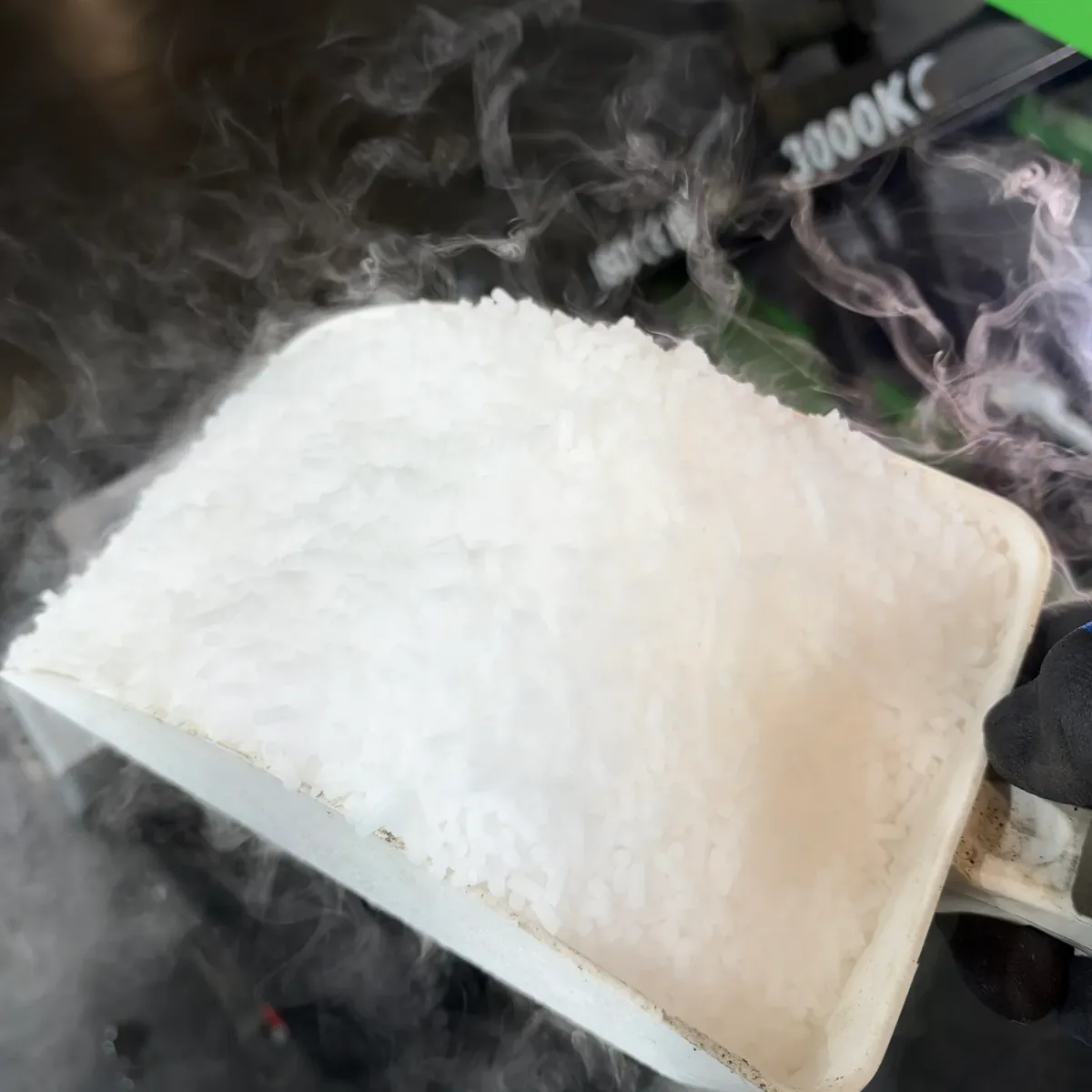
In specialist dry ice cleaning, solid carbon dioxide particles are directed at a surface to dislodge contamination. The particles change into gas. There is no spent abrasive grit from the dry ice itself, although the dirt removed from the vehicle still has to be collected. Access, the condition of the underlying finish and the choice of treatment matter as much as the name of the process.
Think of the underside as a collection of different surfaces. A painted floorpan, a textured factory coating, a metal suspension arm and a previously repaired seam may all be within a few inches of each other. A sensible brief identifies what the owner wants revealed and what should be left in place. “Make everything look new” leaves important decisions unanswered on a car whose original finishes are part of its appeal.
What does the BMW E30 M3 tell us?
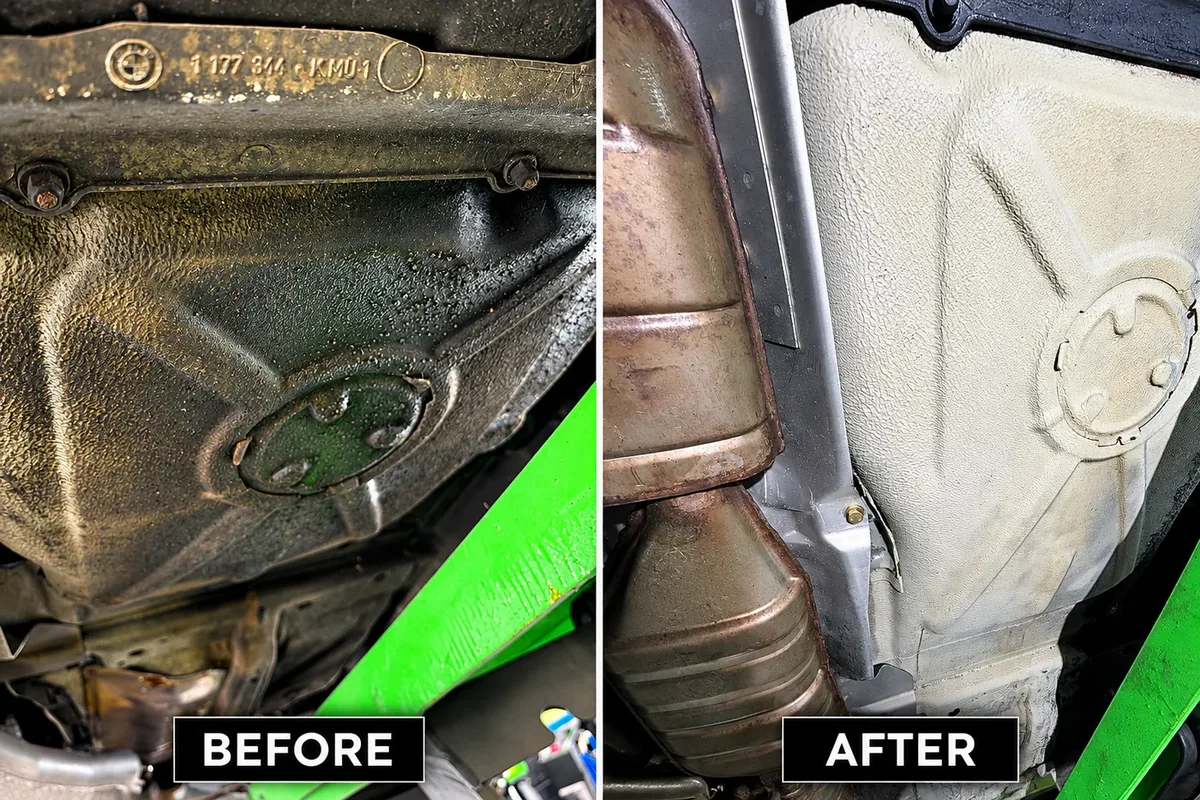
Miracle Detail documents a silver BMW E30 M3 that underwent a three-week concours detail. Its underside was dry ice cleaned and subsequently protected with a Feynlab industrial coating. The wider project included paint correction, leather restoration and dent removal. In the gallery, the underside belongs to a much larger story about bringing an entire car to a standard its owner wanted.
Those three weeks describe the whole commission. They cannot be multiplied by the hourly dry ice rate to estimate the cost of cleaning another BMW. What the example does establish is the sequence: clean the underside, assess the surface that is now visible and decide on appropriate protection. A customer interested only in recording the condition of a recently acquired classic might reasonably stop after inspection and photography.
When is preserving an original finish the priority?
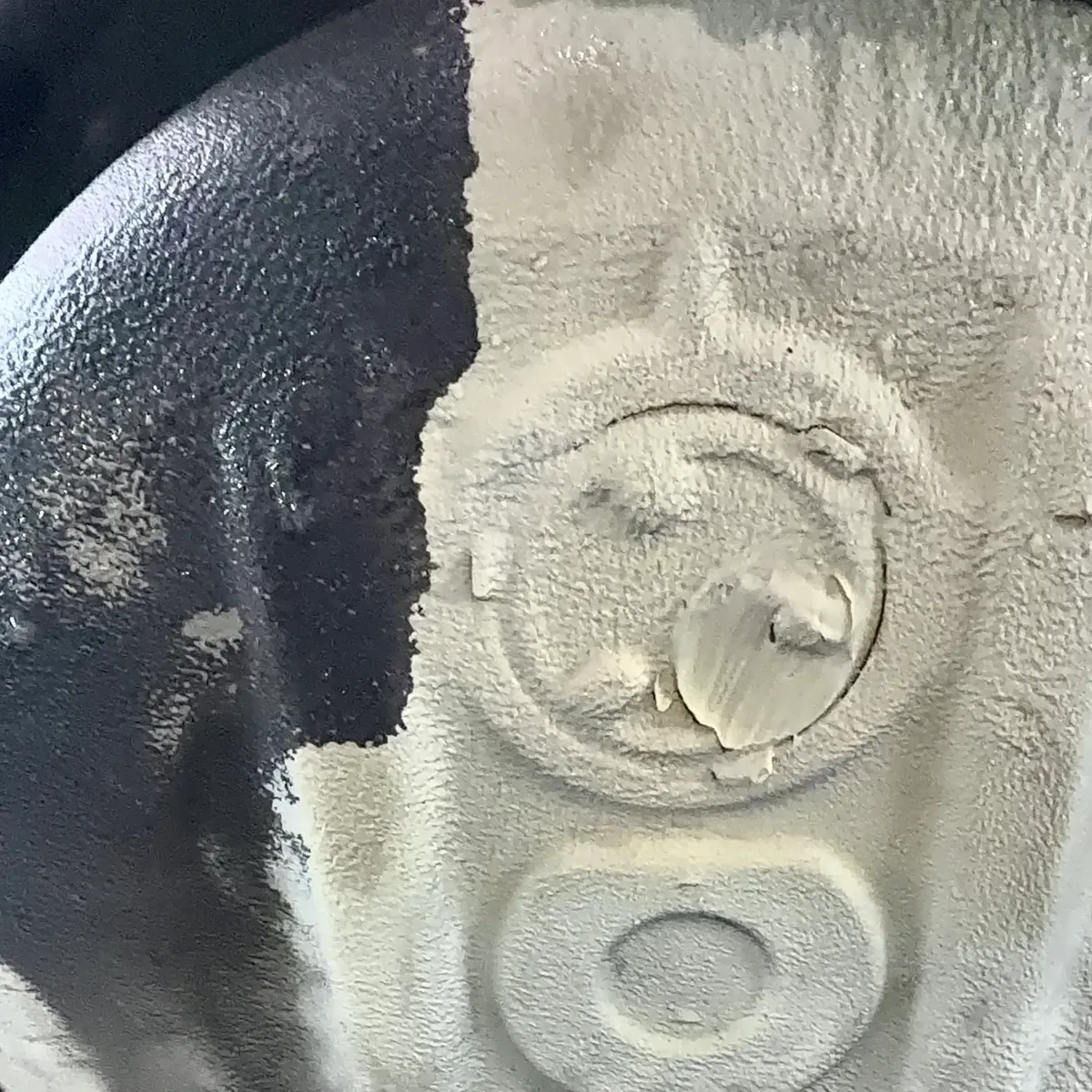
Suppose your classic still has sections of recognisable factory coating. A uniform black finish might look tidy in an advertisement, yet tell the next person inspecting the car very little about what lies underneath. If originality matters, ask the studio to photograph representative areas before work begins and record where coatings, labels or markings appear vulnerable. Decide together which features deserve to be retained.
A test area gives that discussion something concrete. Look at the boundary between cleaned and untouched material, the texture of the exposed surface and the condition of any seam nearby. A result that looks attractive on one section of the floorpan does not settle what should happen elsewhere. On an older car, components replaced at different times can have very different finishes and histories.
Will it remove rust or replace a repair?
Cleaning can uncover corrosion that grime or loose material had obscured. It cannot put metal back into a corroded panel, restore a failed seam or confirm the structural condition of the entire car. If a suspect area appears, agree that the studio will document it and discuss the next step before covering it. An appropriate repair assessment may then be more valuable than further cosmetic work.
The same applies to leaks. Cleaning around a component can make it easier to tell where fresh residue returns, but the source still needs diagnosing. If the classic is already booked for mechanical work, tell the studio what your specialist needs to see. A clearly photographed area before dismantling may be more useful than spending the available budget on parts that are about to come off.
How do you budget for hourly cleaning?
Start with the question you want answered. A new owner may want a documented view of particular arches and suspension areas. Someone presenting a car at an event may want the entire visible underside addressed. Ask for an estimated number of hours for the agreed scope, what access is assumed and how Paul will contact you if the condition changes that estimate.
At the published hourly rate, four hours of cleaning would be £960 including VAT. That is an arithmetic example, not a time estimate for an E30 or any other vehicle. Ask separately about access work, protection and any other treatments. A staged brief with a review point can be helpful if the underside has never been documented or carries a mixture of old finishes.
Should the underside be coated afterwards?
That depends on what is exposed, how the car will be stored and how often it goes out in poor weather. A regularly driven classic and one kept primarily for display can have different priorities. Discuss how any proposed coating affects appearance, future inspection and maintenance. Photograph the cleaned underside before taking that decision, particularly where you want to preserve a record for the history file.
For a history file, label each pair of photographs with the date, the side of the car and the component shown. A close view of a seam is much easier to interpret when it sits beside a wider image showing its position. Keep a copy of the agreed scope alongside the pictures. Years later, a specialist can then distinguish an area deliberately left untouched from one that was cleaned and subsequently changed. The same record gives a future owner a clear account of the work commissioned and the surfaces that still warrant a closer inspection.
For a consultation at Miracle Detail in Lingfield, provide the model, year, known restoration history and any existing underside photographs from a workshop inspection. Identify the parts that concern you and say whether your goal is preservation, presentation or investigation. The most useful outcome may be a sound original finish revealed, a previously hidden repair documented, or an informed decision to leave a delicate area alone.

