PPF or ceramic coating for a new car? How to choose in Surrey

Choose paint protection film if your main concern is stone chips on exposed paint. Choose a ceramic coating if you want easier washing and a gloss finish that is easier to maintain. Consider both if those priorities apply to different parts of the same car. A motorway commuter who is tired of touching in the bonnet and an owner who spends Sunday morning washing a garaged car can sensibly make different decisions about the same model.
What problem are you trying to solve?
Think about the last car you sold. Perhaps the front looked tired after three winters, although the doors still cleaned up beautifully. Perhaps the nose was fine, but washing a large estate took up most of an afternoon. Write down the one thing you would change about that experience. It is a better starting point for a new-car consultation than the name of a product someone else chose.
Film and coating work in different ways. PPF puts a replaceable physical layer over selected panels. A ceramic coating changes how the treated surface behaves when it gets wet or dirty. Both can preserve an attractive finish, but only film gives the stone something substantial to strike before it reaches the paint. Even film has limits. A hard impact can mark the panel underneath or leave damage in the film that requires replacement.
For the driver who covers motorway miles
If the car frequently joins fast traffic, pay attention to the leading surfaces. The front bumper, bonnet, wings and mirror caps are sensible places to begin the discussion. At the Lingfield studio, the full-front package also takes in the A-pillars and leading roof edge. If the sills on your old car picked up grit thrown by the front wheels, look at the extra coverage in the Track Pack.
A driver travelling from Oxted with a fixed protection budget might put the money into the front of the car and continue washing the remaining paint as usual. There is no need to make one product decision for every surface. Ask for the coverage drawing and look at it from the side as well as the front. The point where protection ends matters as much as the list of parts included.
For the owner who enjoys a freshly washed car
A ceramic coating is worth considering if your priority is how the paint cleans, dries and looks between washes. Water behaviour is the change you are most likely to notice first. The car still gets dirty, particularly around the tailgate and lower doors, but the routine for keeping on top of it can become easier. A coating also makes most sense if you can follow the maintenance advice supplied with it.
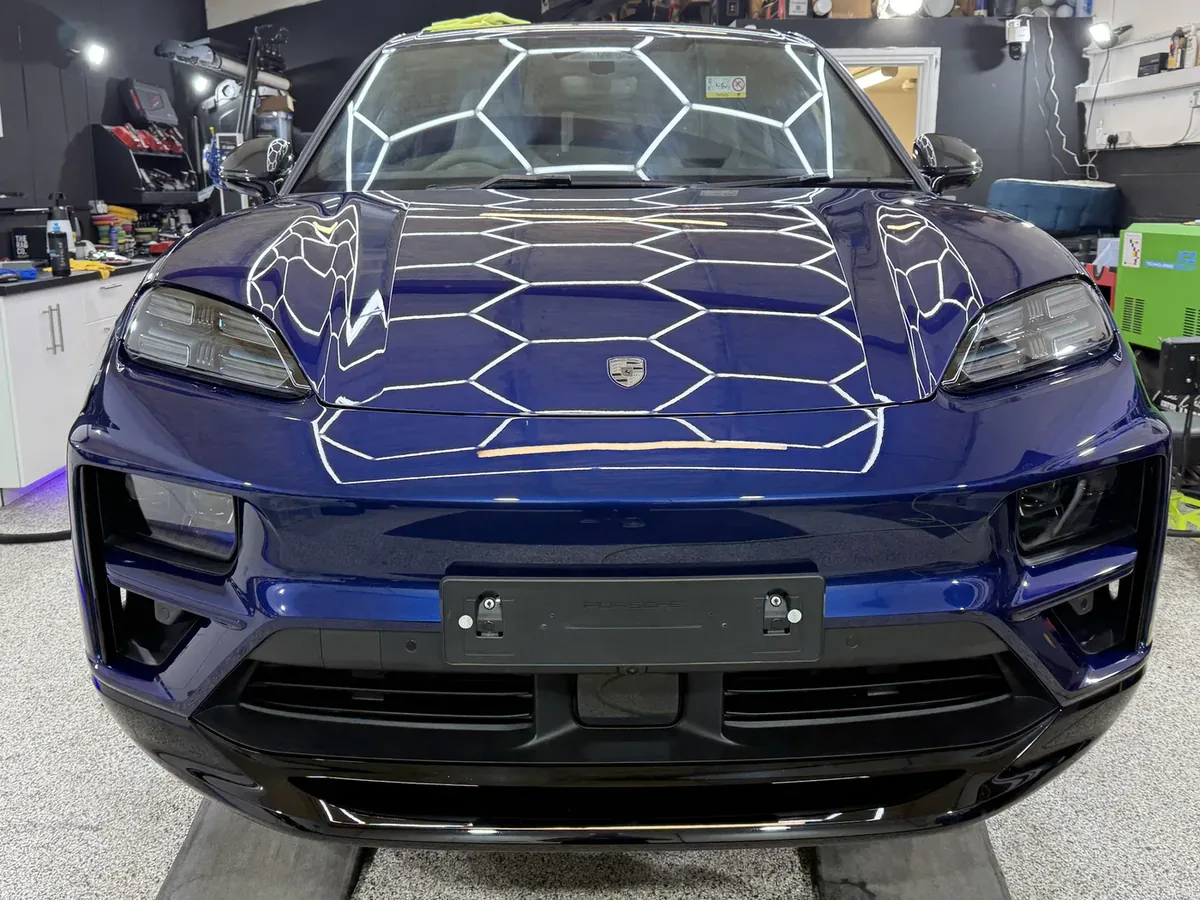
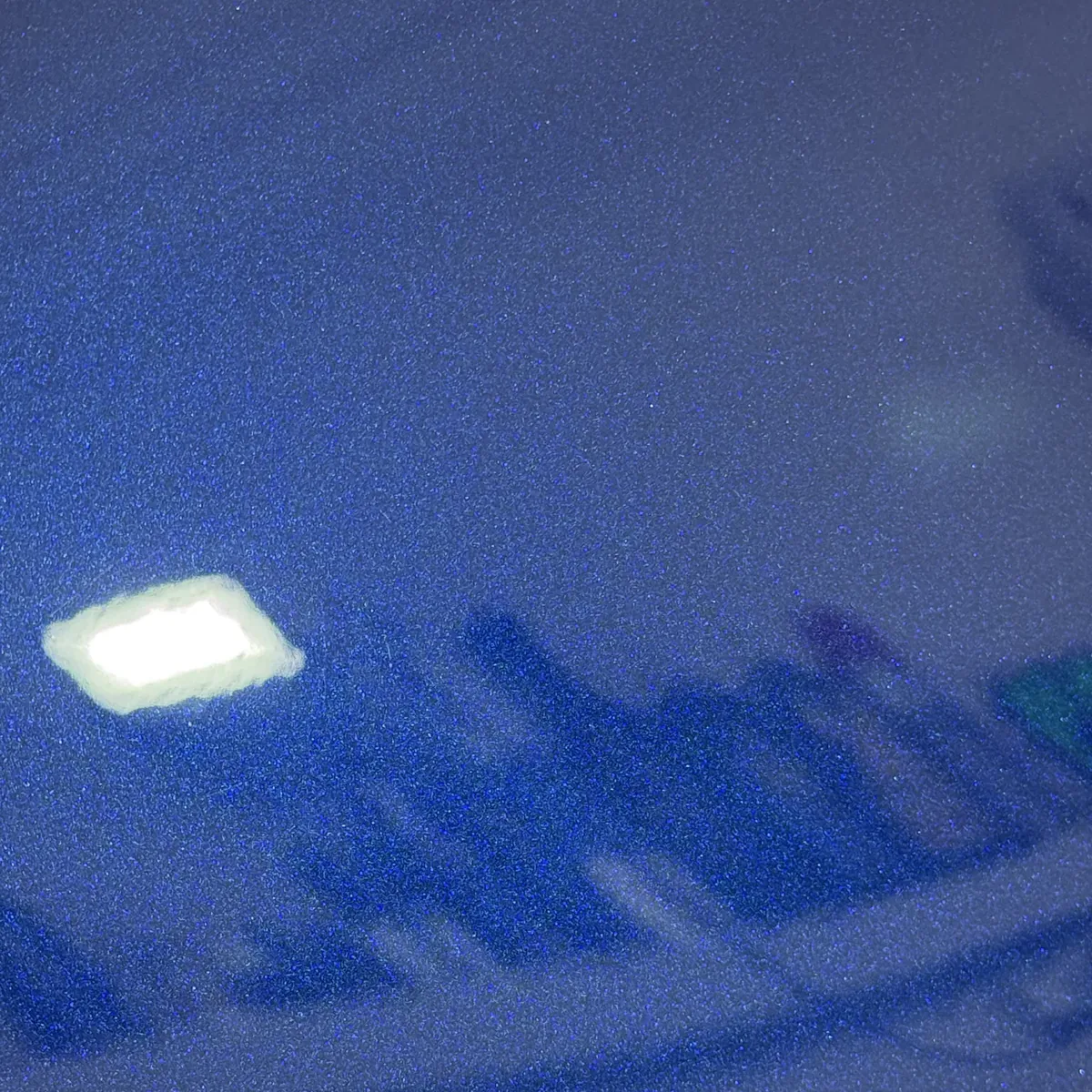
Take the blue Porsche Macan Turbo in Miracle Detail’s project archive. The studio records that the car arrived new with swirls and scratches. It received paint correction followed by a Feynlab ceramic coating. The glass received its own treatment. The order matters. Polishing addressed the visible marks. Coating preserved the prepared finish. If your goal is a sharp reflection in dark paint, ask the installer to explain both parts of that job.
When does a combination make sense?
Picture a daily-driven performance estate. Its owner wants impact protection on the nose, likes washing the car at home and wants consistent water behaviour along the doors. Front-end film and a compatible coating on the exposed paint could address both priorities. If coating over the film is also proposed, ask which product the film manufacturer supports and what that means for aftercare. Have each treated surface identified on the estimate.
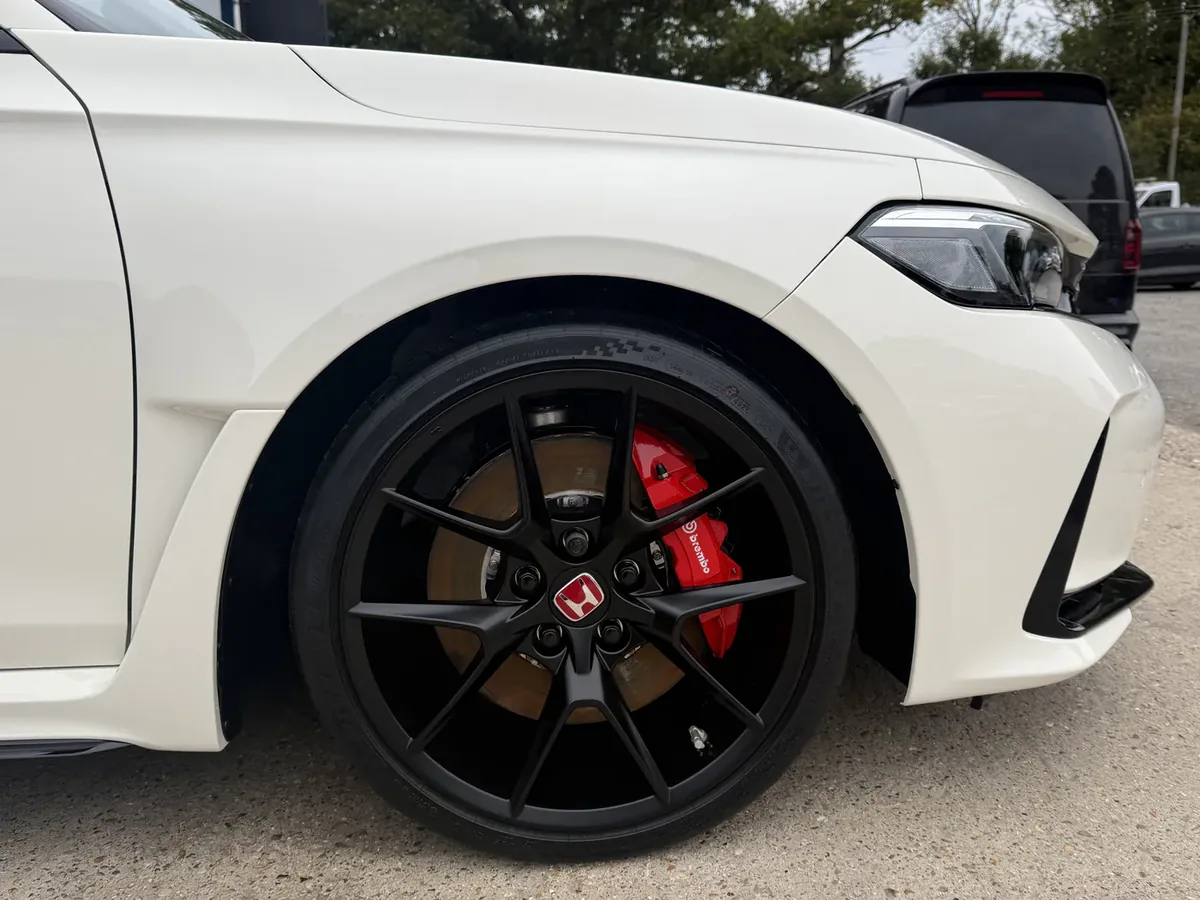
Another owner might take the approach seen on the studio’s white Honda Civic Type R. That car came directly from its supplying dealer and received full-panel film. The brief also covered other areas of the vehicle. It illustrates how far new-car protection can extend when the owner wants broad coverage. Use the project photographs to pick out the parts that matter to you rather than assuming every item belongs on your own order.
What about dealer-applied protection?
Ask the dealer for the name of anything already applied and where it was used. “Paint protection included” can describe several things. The studio can give more useful preparation advice with the product details in hand. If the car is still on order, ask what cosmetic preparation the dealer plans to carry out and agree your preferences before collection. Keep a copy of the handover paperwork alongside your protection estimate.
When you collect, take a few photographs outside and look along the bonnet and doors as well as straight at them. If you see a chip or scratch, record it and raise it with the supplying dealer while the handover is fresh. Send the studio the photographs ahead of your appointment. A phone image can start a discussion, even when the final decision depends on seeing clean paint under suitable light.
A straightforward way to choose
Ask for the estimate to be written around how you use the car. For motorway mileage, lead with the panels you want protected from chips. For easier maintenance, lead with the finish, parking arrangements and how the car is washed. For a combined installation, ask which areas receive film, which receive coating and how to look after both. This gives you a practical comparison even when the available packages carry unfamiliar names.
Ask how collection will work if your chosen treatments are applied in sequence. Knowing when the vehicle can be driven home and when it can first be washed helps you plan around a handover, a commute or a long journey. Keep the instructions handy.
If you are collecting a new car in Surrey, contact Paul at Miracle Detail in Lingfield with the model, finish and expected handover date. Include one sentence about what bothered you most on the previous car. “The bonnet was peppered by 20,000 miles” tells an installer more about the right starting point than a request for the most expensive package on the list.

