Does a brand-new car need paint correction before ceramic coating?

Sometimes. A brand-new car needs an inspection before ceramic coating, and the condition of the paint determines whether it needs machine polishing. Sound gloss paint may require only cleaning and the preparation specified for the chosen coating. Visible swirls or haze may justify refinement. A new registration tells you the age of the vehicle. It tells you little about the finish on the bonnet under a bright light.
How can a new car already have swirl marks?
Paint can be handled several times between manufacture and handover. A car may be stored, moved, cleaned for display and prepared again for collection. Fine marks can become visible when a point of light reflects off the surface. Their presence alone cannot tell you exactly when they were introduced. What matters at collection is recording the condition while you and the supplying dealer can look at it together.
Walk around the car in daylight if possible. Look along the doors from a shallow angle, then move your head while looking at a reflection in the bonnet. A mark that disappears when you change position may return as soon as the light catches it again. Photograph anything that concerns you from a little distance as well as close up, so that someone else can find the same area later.
What happened with the BMW M3 Touring in Lingfield?
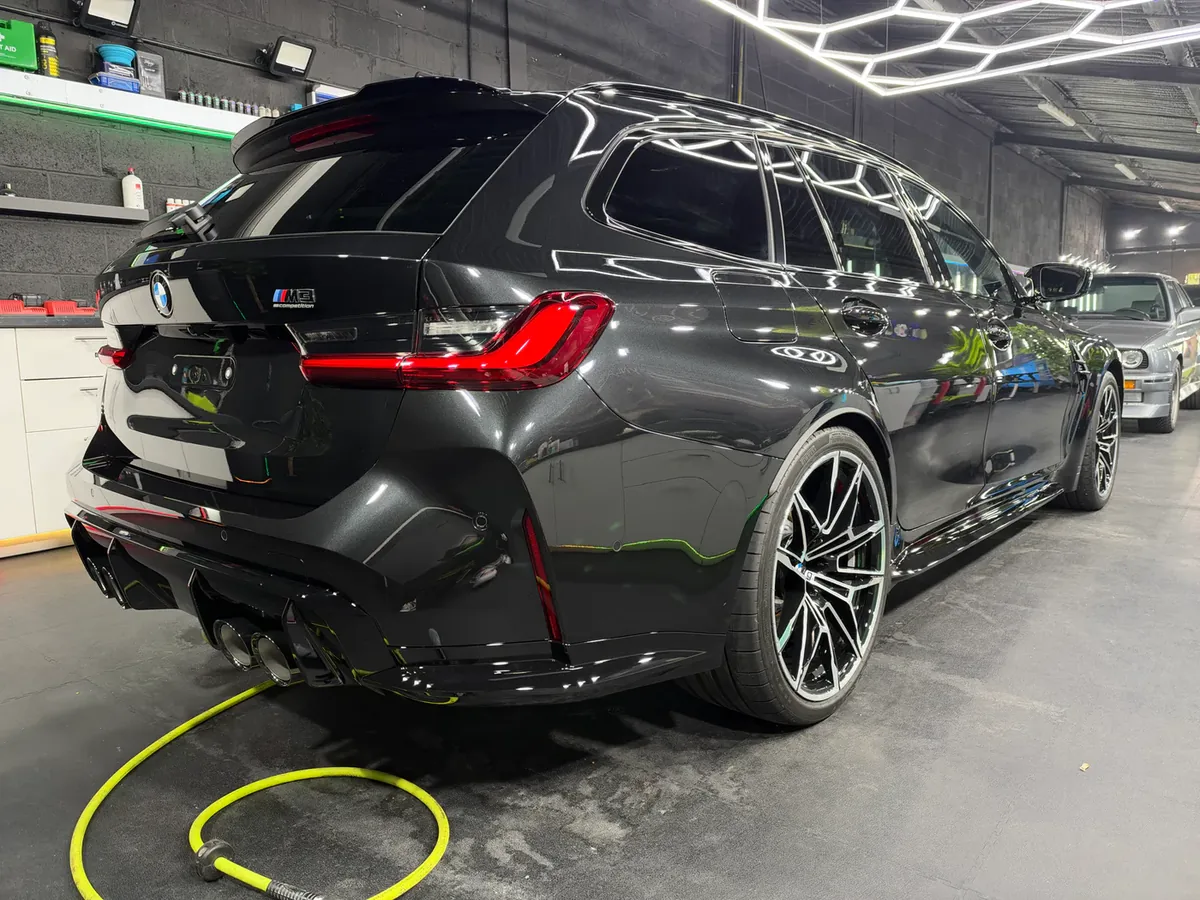
Miracle Detail’s project archive records a new BMW M3 Touring brought directly to the studio. Paul carried out a two-stage paint correction to address swirls and scratches, followed by a five-year Feynlab ceramic coating. The glass was also polished and given a water-repellent treatment. The car’s delivery condition made correction relevant even though its owner had barely begun to use it.
There are two decisions inside that short account. The first concerns appearance: how much improvement do the visible defects warrant? The second concerns protection: once the surface looks right, what will help the owner maintain it? Keeping those decisions separate lets you discuss each on its merits. The work specified for the BMW provides a real example of the sequence, without prescribing the same process for your own new car.
What does a proper assessment look for?
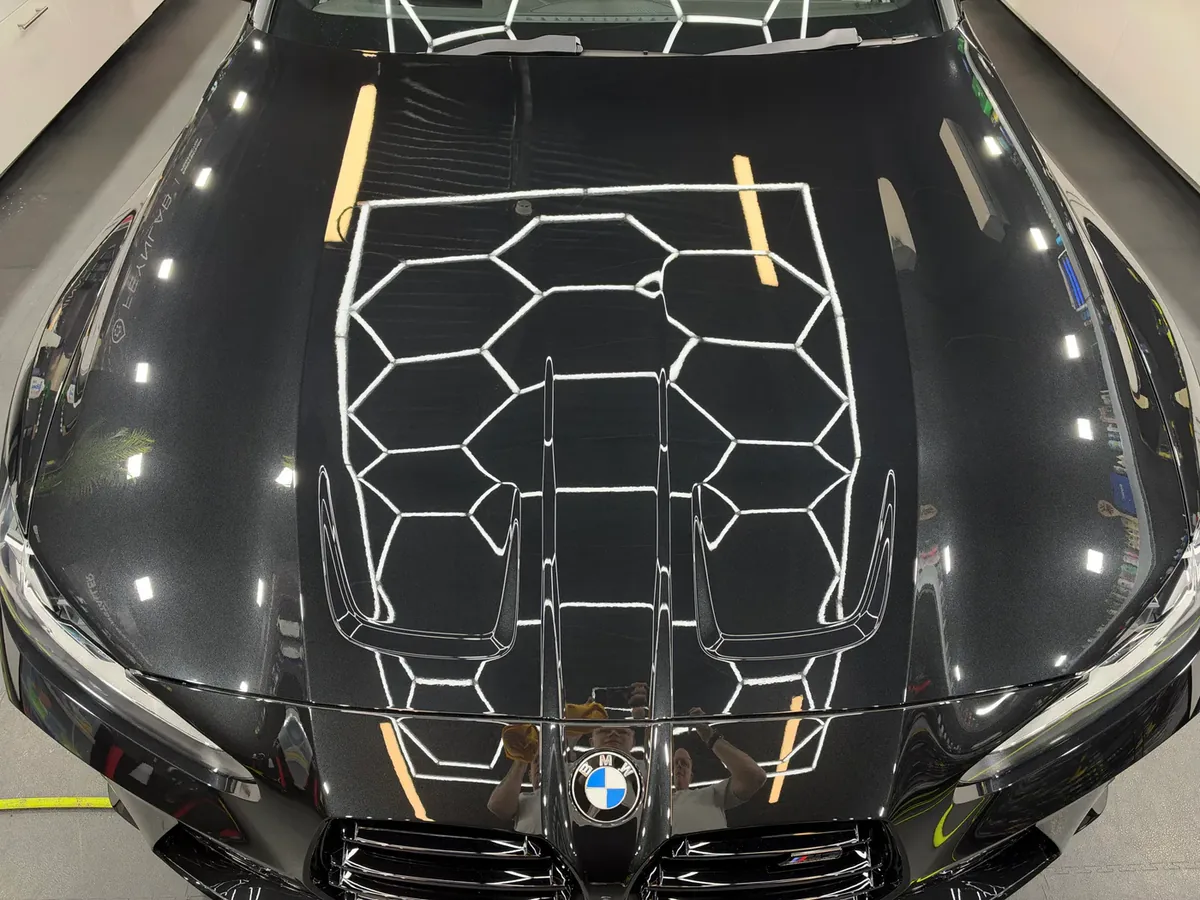
Start with clean paint. Dirt can obscure a scratch, and something that looks like a blemish can turn out to be residue. An inspection can distinguish contamination on top of the surface from defects within the finish. It can also identify places that deserve different treatment, including sharp edges, unusual materials, previous repairs or a factory satin panel on an otherwise glossy car.
Ask Paul to show you the most representative defect and the most difficult one. They may be quite different. A light pattern across a bonnet could respond to gentle refinement, while one isolated scratch might still be visible afterwards. Agreeing which of those outcomes matters to you is useful before anyone proposes a stage count. A small, discreet test area on suitable gloss paint can help establish what improvement is realistic.
One stage, two stages or no polishing?
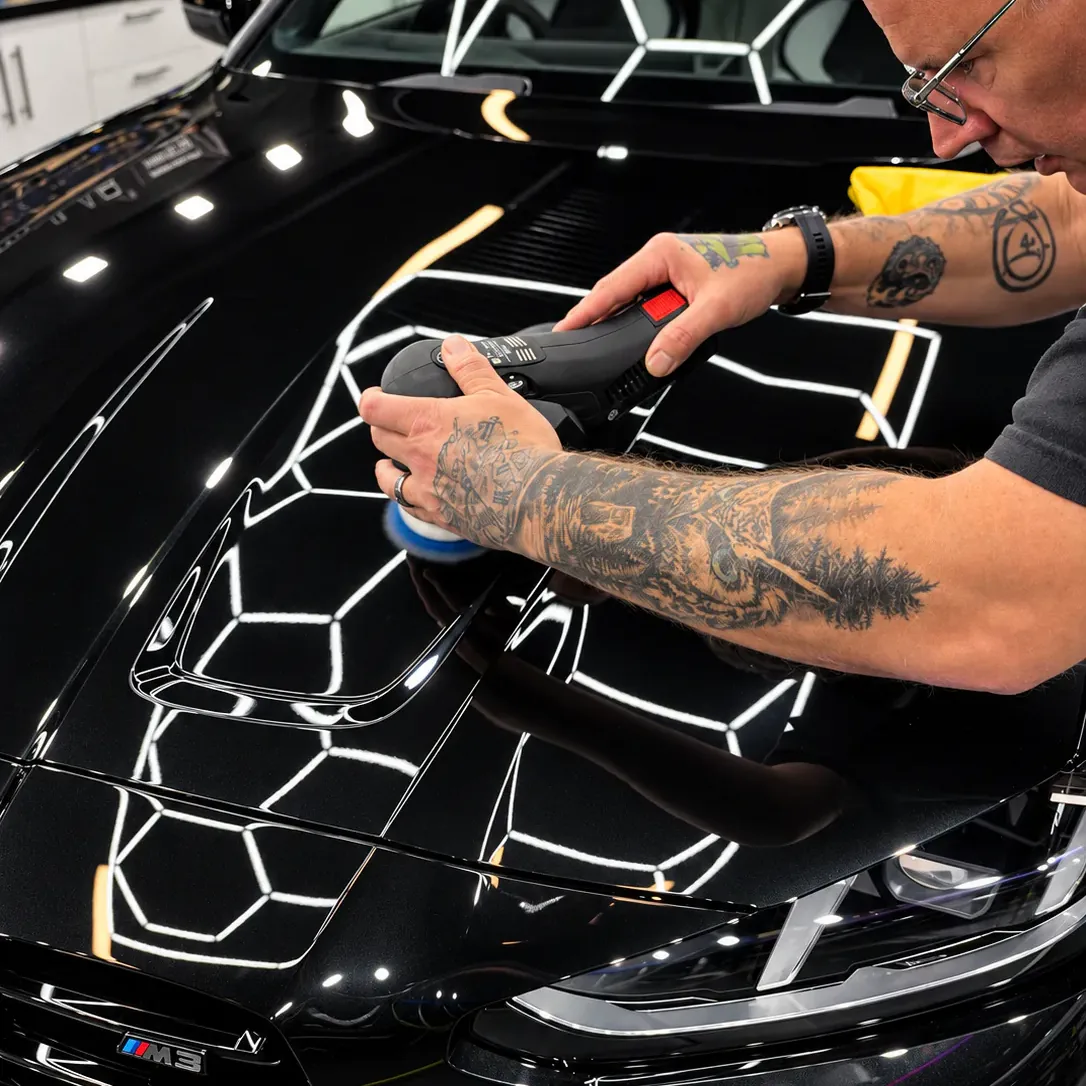
A single polishing stage may suit light marks when the combination of pad, polish and technique gives an acceptable finish. Two stages generally allow a more corrective pass to be followed by finer finishing. The number describes a method of work. It cannot, by itself, promise how much a scratch will improve or tell you whether a car needs that treatment across every panel.
Clear coat is finite. If there is little visible benefit to further abrasion, preserving the finish can be a sensible choice. A conspicuous isolated defect on a new vehicle may also deserve a conversation with the supplying dealer before a detailer changes it. Factory matte and satin finishes need their own assessment because conventional polishing can alter the sheen. Always identify the finish before agreeing to polish a marked area.
Will the coating hide what is underneath?
Ceramic coating is applied after the appearance of the paint has been agreed. Do not budget for it as a way of removing swirls. If a mark catches your eye while the car is clean and dry, point it out before application and ask what it is likely to look like afterwards. The moment to agree whether it matters is while preparation choices are still open.
The blue Porsche Macan Turbo in the studio gallery offers a second new-car example. Its recorded work included correction for swirls and scratches before ceramic protection. For a buyer weighing the extra cost, these projects are useful conversation starters. Ask to see the type of defect involved and compare it with what you actually see on your own car, preferably under similar lighting.
What should you agree before delivery day?
If you know the car is coming to a detailer, speak to the dealer in advance about cosmetic preparation, optional coatings and presentation for handover. Ask what has already been applied. Keep any product information and record existing damage at collection. Avoid rubbing a dusty panel to check a suspected mark. A photograph and a clean inspection at the studio are better ways to resolve the question.
If collection day is overcast, revisit the same panels in clearer light before deciding whether a mark has disappeared. Keep any comparison photographs in pairs, with the camera aimed at the same area from roughly the same angle. Broad photographs show the position on the vehicle, while closer views show the character of the mark. That small amount of context can save an unproductive exchange of tightly cropped images. This is particularly helpful for metallic colours that change appearance as you move around them.
For an appointment in Lingfield, send Paul the model, colour, paint finish and expected collection date. Tell him whether your priority is keeping original paint as untouched as practical or correcting visible defects before coating. Ask for the recommended preparation and any optional correction to be itemised. The result should be a decision you can recognise on the car itself, supported by what you saw together at the studio.

